Waterproof Materials for Long-Term Outdoor Living
Living outdoors for prolonged periods, whether in a cabin, a converted van, a tiny home, or a well-liked outdoor tents arrangement, requires much more from your materials than a weekend outdoor camping journey ever would. Rain, moisture, snowmelt, and seasonal freeze-thaw cycles gradually wear down anything not developed to deal with sustained dampness direct exposure. Selecting the best waterproof products from the beginning can indicate the difference in between a sanctuary that lasts decades and one that rots, rusts, or moulds within a couple of periods.
Why Waterproofing Matters Extra for Long-Term Setups
A weekend break shelter just requires to make it through a short ruptured of weather condition. Long-term exterior living is a various difficulty entirely. Products are subjected to countless wet-dry cycles, UV deterioration, and constant moisture that can permeate into joints, fasteners, and insulation. Over time, also little vulnerabilities worsen into major architectural or health concerns, consisting of mould growth, timber rot, and rusted hardware. This is why longevity and breathability matter just as long as raw water resistance.
Roofing and Architectural Waterproofing
For any type of permanent or semi-permanent outside structure, the roof covering is the very first and essential line of protection. Standing-seam metal roof covering stays a favorite for lasting builds because it loses water effectively, stands up to UV break down, and can last thirty years or more with very little maintenance. Rubber membrane layer roofing, such as EPDM, is one more strong choice, especially for flatter or low-slope frameworks like cabins and converted trailers, considering that it flexes with temperature adjustments without breaking.
Beneath the visible roofing layer, a quality synthetic underlayment includes a critical second barrier. Unlike older really felt paper alternatives, synthetic underlayments withstand tearing and hold up far longer under long term wetness direct exposure, buying useful time if the outer layer is ever endangered.
Wall and Exterior Cladding Options
Exterior wall surfaces require materials that can manage both direct rain and extended wetness without swelling or rotting. Fiber cement house siding has actually come to be a best choice due to the fact that it withstands water absorption, does not warp, and holds paint more than several years. For a more all-natural aesthetic, thermally modified wood is worth considering. The heat therapy process alters the wood's cellular framework, making it much less vulnerable to moisture absorption and decay than without treatment lumber, while still providing the look of traditional hardwood.
Behind any type of cladding, a well-installed weather-resistant obstacle (usually called a residence wrap) is vital. It permits built-up indoor moisture to escape while obstructing fluid water from entering, which aids stop the trapped-moisture problems that create several long-term frameworks to fail from the inside out.
Fabrics and Soft-Sided Shelters
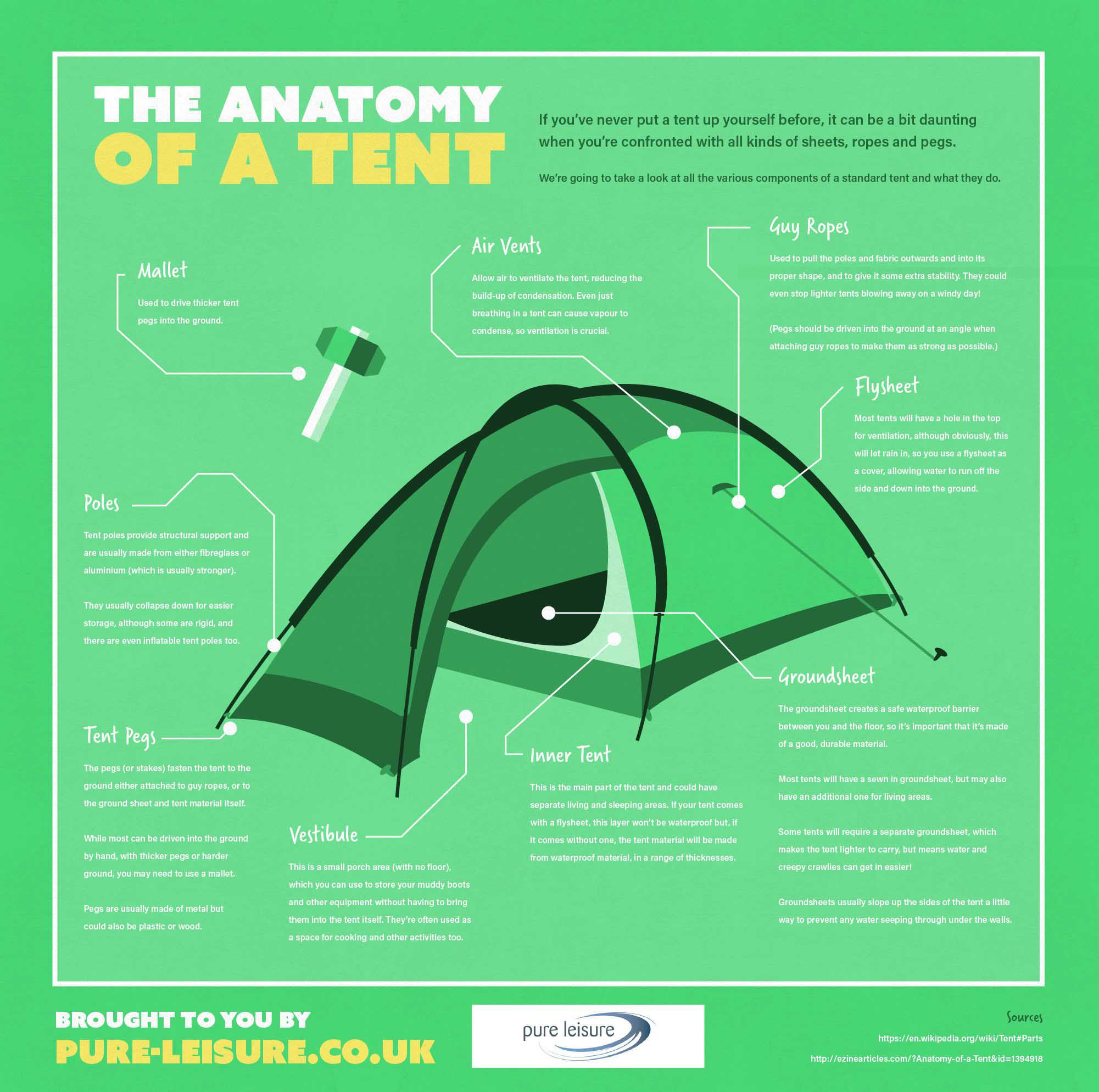
For those living in outdoors tents, yurts, or canvas-walled structures long-lasting, material choice is critical. Waterproof-breathable materials, covered with polyurethane or silicone, use strong water resistance while still permitting some vapor to travel through, minimizing condensation accumulation inside the shelter. Much heavier canvas, particularly cotton duck treated with a wax or paraffin finishing, has actually been utilized for generations in long-term exterior shelters because it breathes well and can be re-treated as the coating wears down, extending its useful life far beyond synthetic options that break down and can not be rejuvenated.
Floor Covering and Ground-Level Defense
Dampness climbing from the ground is commonly forgotten, yet it's equally as harmful as rainfall from above. A long lasting vapor barrier below any flooring system stops ground moisture from wicking upward into subfloors and living spaces. For elevated frameworks, composite decking products, made from a mix of timber fibers and recycled plastics, stand up to rot and pest damages much much better than solid timber, making them a wise option for decks, pathways, and platform bases.
Sealants, Joints, and Upkeep Facts
Also the very best waterproof materials will at some point fall short if the seams and joints aren't correctly sealed. High-quality silicone or polyurethane sealants continue to be versatile with temperature swings, unlike cheaper caulks that fracture and diminish in time. For fabric sanctuaries, joint tape or joint grasp items designed particularly for water resistant fabrics need to be reapplied periodically, since this is frequently where leaks initially develop.
Choosing Products for Your Climate
No single product works everywhere. Damp climates ask for breathable choices that avoid caught wetness, while snow-heavy regions take advantage of steep rooflines and materials rated for repeated freeze-thaw cycles. Coastal atmospheres add salt exposure into the mix, favoring corrosion-resistant metals and marine-grade sealants. Taking time to match materials to your specific environment, rather than relying on generic recommendations, is one of one of the most essential steps in constructing a shelter meant to last.
Structure for the Long Haul
Lasting outside living rewards patience and excellent material choices ahead of time. Purchasing tried and tested waterproofing systems, from the roofing down to the ground obstacle, decreases upkeep migraines and protects both the framework and the people residing in it. With the right mix glamp tent of materials matched to your climate and way of living, an outdoor space can remain completely dry, comfortable, and structurally seem for many years to find.